
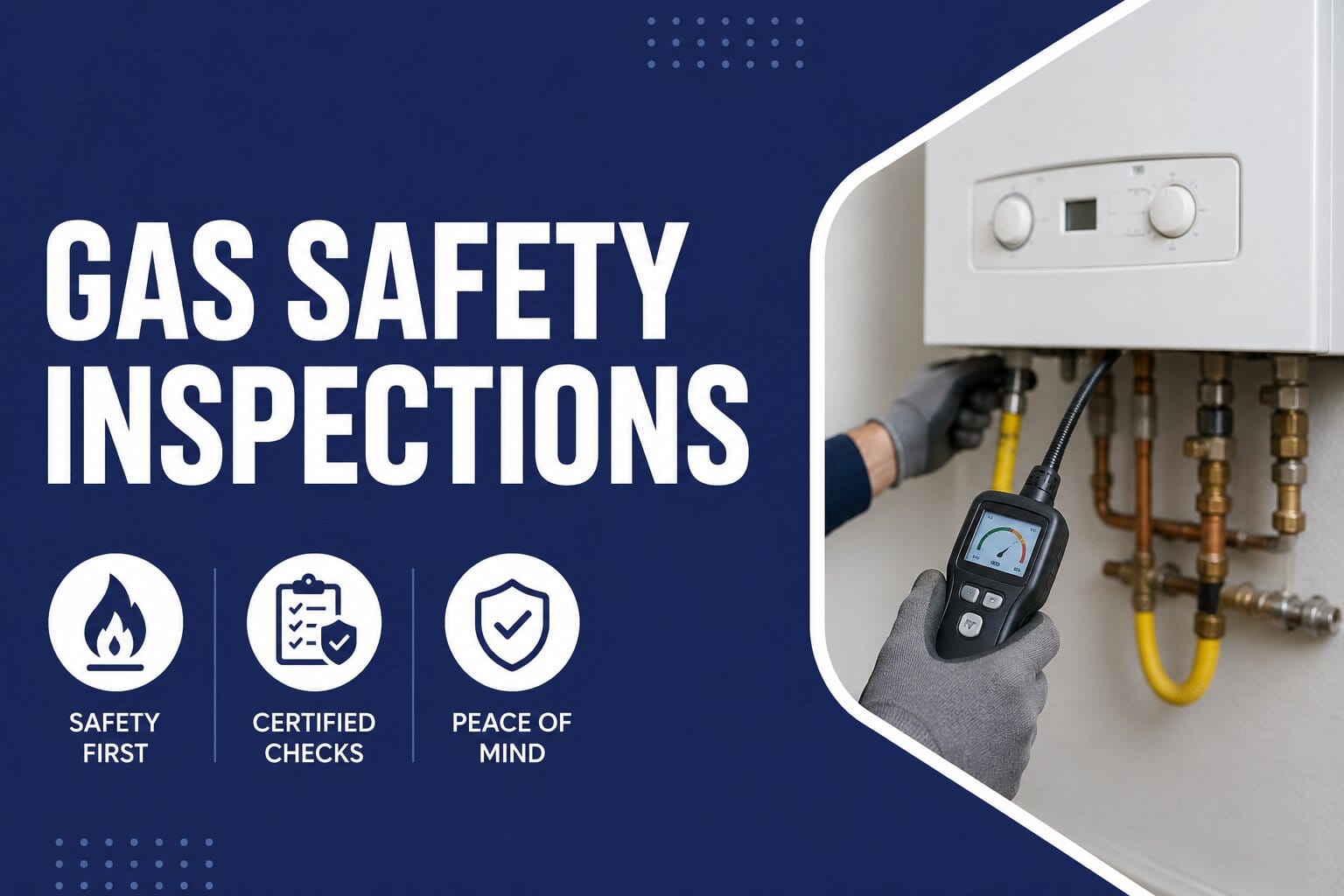
Let’s be honest, nobody wakes up on a Saturday morning excited to sort out their property paperwork. It usually sits at the bottom of the to-do list, right next to bleeding the radiators and finally sorting out that hallway cupboard. But when it comes to the safety of your home or rental property, staying on top of your gas appliances is one piece of admin you simply can’t ignore.
Boilers have a wicked sixth sense. They rarely break down on a mild afternoon; instead, they wait for a freezing Sunday evening just when you’ve put your feet up. While a breakdown is highly inconvenient, an unsafe boiler is genuinely dangerous. That’s where a proper gas safety inspection comes in.
If you own a property in London—with its mix of quirky period conversions, busy concierge buildings, and high tenant turnover—navigating the rules around gas safety can feel a bit overwhelming. Whether you are a seasoned property investor or a homeowner wanting peace of mind, we’ve put together this straightforward guide. We’ll cover exactly what our engineers look for, why it matters, and how to make the whole process completely painless.
A gas safety inspection is a thorough check of all the gas appliances, pipework, and flues in a property to ensure they are operating safely. It’s designed to spot leaks, dangerous emissions, and potential fire hazards before they cause harm.
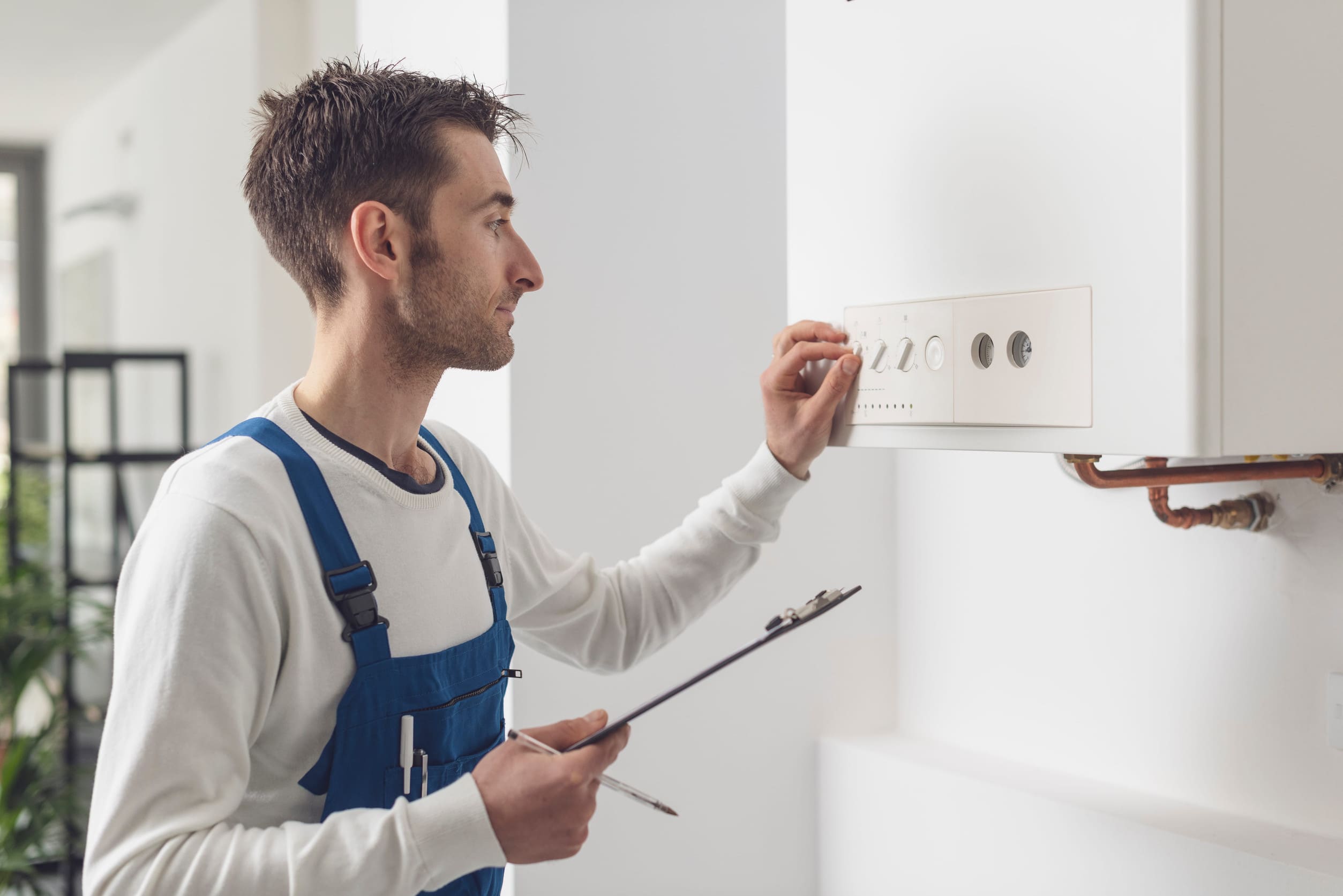
People often get tangled up in the terminology, so let’s clear that up. A gas safety inspection results in a Gas Safety Record (often still called a CP12 by people in the trade). This is purely a safety check.
A boiler service, on the other hand, is like an MOT and full service for your car. It involves taking the boiler casing off, cleaning the internal components, and optimising its efficiency. A repair is when your boiler has actually broken down and needs a specific part fixed. If you aren’t entirely sure what you need, we can always advise you on the right service for your situation.
The primary reason for these checks is safety. Gas appliances that aren’t properly maintained can cause fires, explosions, and carbon monoxide poisoning. Carbon monoxide is entirely invisible, tasteless, and odourless, making it incredibly dangerous if a faulty appliance starts leaking it into a living space.
By having a qualified professional assess your gas systems, you are actively preventing these severe risks. It is a proactive measure rather than a reactive one. Beyond the obvious safety benefits, it is also a strict legal requirement for certain property owners.
Understanding exactly who needs a gas safety certificate can save you a lot of hassle. The rules differ slightly depending on your living situation.
Landlords
If you rent out a property, it is a strict legal requirement to have an annual gas safety check. This applies to standard single lets, Houses in Multiple Occupation (HMOs), and even holiday lets. You must keep a record of the safety check for two years and provide a copy to your existing tenants within 28 days of the inspection, or to new tenants before they move in.
Homeowners
For owner-occupiers, there is no legal obligation to hold a gas safety certificate. However, we highly recommend getting your appliances checked annually anyway. It is also incredibly useful to have a recent inspection record if you are planning to sell your property, as buyers’ solicitors frequently ask for it.
Commercial property owners
Business premises have their own set of stringent gas safety regulations. The requirements can vary significantly depending on the size and nature of the business. If you manage a commercial space, we can help you figure out exactly what checks are legally required.
When one of our engineers turns up at your property, they follow a strict, systematic checklist to ensure nothing is missed. We won’t judge your chaotic boiler cupboard storage system, but we will need to see the boiler! Here is exactly what happens during a gas safety check UK residents can expect:
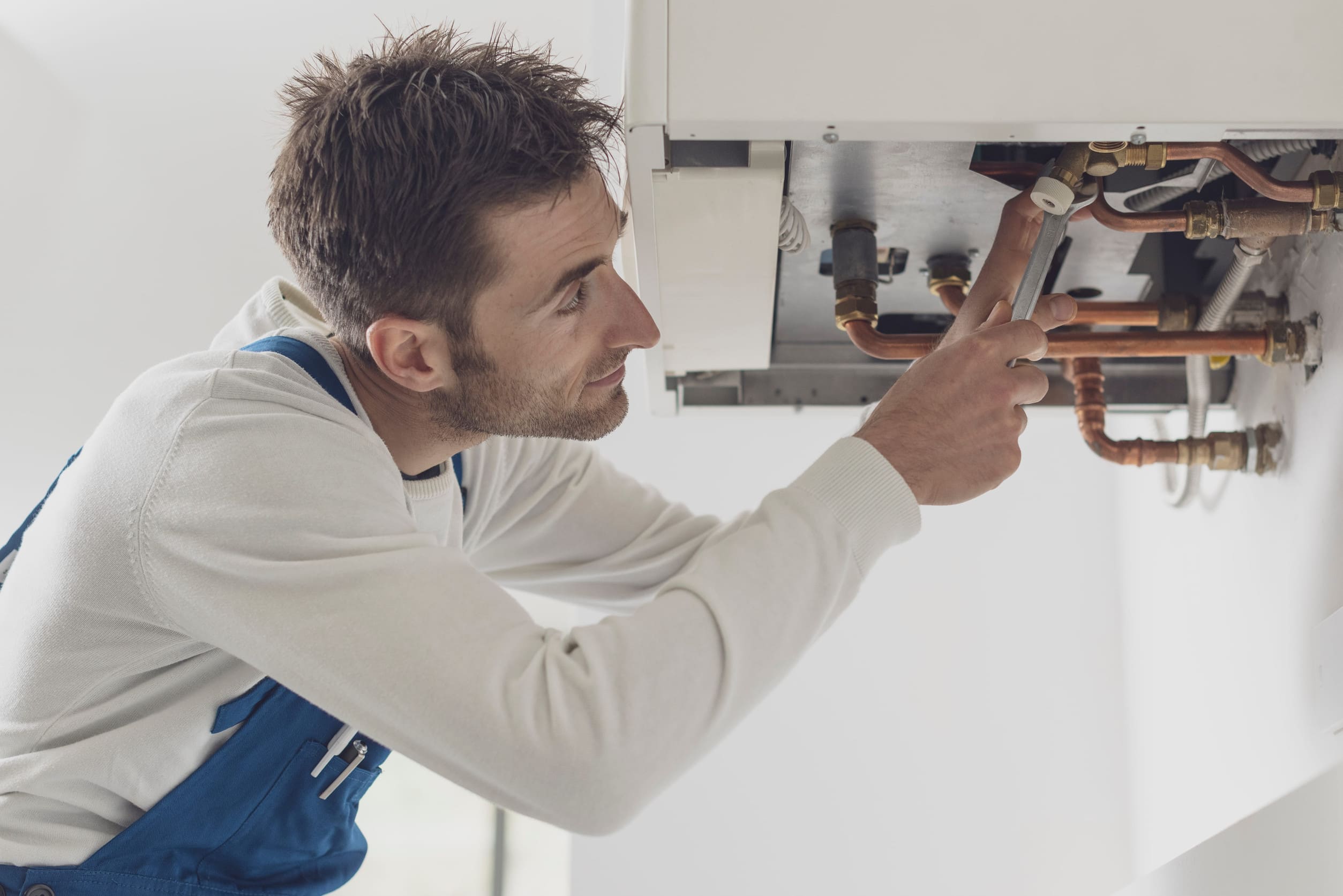
If you have a boiler, a gas cooker, and a gas fire, every single connected appliance will be tested as part of the inspection.
Once the checks are complete, we’ll provide you with a Gas Safety Record.
If everything is working perfectly, you get a ‘Pass’ and the paperwork to prove it. Sometimes, we might note minor issues as ‘Advisories’. This means the appliance is currently safe, but something might need attention soon to prevent future problems.
If an appliance fails the inspection, it will be classified as either ‘At Risk’ or ‘Immediately Dangerous’. Please don’t panic if this happens. Our priority is keeping you safe, not catching you out. In these instances, the engineer will safely isolate and disconnect the faulty appliance, explain exactly what the problem is, and talk you through the options for repairing or replacing it.
Navigating compliance in the capital can be stressful. Getting a landlord gas certificate London renters can rely on means staying organised. Landlords must renew their CP12 every 12 months.
One of the biggest hurdles we see in London is simply gaining access to the property. Busy tenants working long hours can make scheduling difficult. The best approach is to book the inspection early (you can actually do it up to two months before the current certificate expires without losing the original expiry date) and communicate clearly with your tenants. If you are struggling to get access, always keep a written record of your attempts to prove you are trying to comply with the law.
You can make the inspection process much smoother by doing a few simple things before we arrive:
Let’s bust a few common misconceptions we hear all the time:
Finding a reliable tradesperson in London shouldn’t be a gamble. At Mayfair Plumbers, we are fully Gas Safe registered and bring over 17 years of hands-on experience to every job. We provide gas safety certificates for residents in North and Inner London, meaning we know the local housing stock inside out.
We pride ourselves on a common-sense approach, transparent pricing with no hidden surprises, and our 24/7 availability for those genuinely urgent emergencies. If any work is undertaken, it also comes with a one-year guarantee for total peace of mind.
What’s the difference between a gas safety inspection and a boiler service?
An inspection is a legal safety check to ensure appliances aren’t leaking gas or carbon monoxide. A boiler service includes taking the appliance apart to clean it, replace worn seals, and improve its running efficiency.
How often do landlords need a gas safety certificate in the UK?
Landlords are legally required to have a gas safety check carried out on their rental properties every 12 months.
Who needs a gas safety certificate if I’m a homeowner?
You are not legally required to have a certificate if you own and live in your home. However, an annual check is highly recommended for your personal safety.
How long does a gas safety inspection take?
It usually takes between 30 and 45 minutes, depending on how many gas appliances you have in the property and how easy they are to access.
What appliances are included in a landlord gas safety check?
The engineer will check all permanent gas appliances provided by the landlord, including gas boilers, gas hobs, gas ovens, and gas fires.
What happens if my appliance fails the inspection?
The appliance will be officially condemned and disconnected from the gas supply for your safety. We will then provide you with a clear quote and timeline for repairing or replacing the faulty unit.
Can tenants refuse access for a gas safety check? What should landlords do?
Tenants can technically refuse entry, but landlords still have a legal duty to attempt the check. Landlords should make multiple written requests for access and keep a thorough paper trail to show they took all reasonable steps to comply with the law.
Do I need to turn the boiler off before the engineer arrives?
No, you don’t need to turn it off. The engineer will handle everything, including testing the boiler while it is running and isolating the supply safely if needed.
Staying on top of your gas safety doesn’t have to be a headache. Whether you are a London landlord needing to urgently renew your compliance paperwork, or a homeowner wanting reassurance before the winter freeze sets in, our experienced team is ready to help.
If you’d like to book an inspection or you’re not entirely sure what paperwork your property requires, simply give us a ring.
Call us or visit our booking page to secure your appointment with our Gas Safe registered engineers today.

© 2026 Mayfair Plumbers Limited. All Rights Reserved | Company Number: NI680303 | VAT Number: 400286831
Website by OctopiStimuli